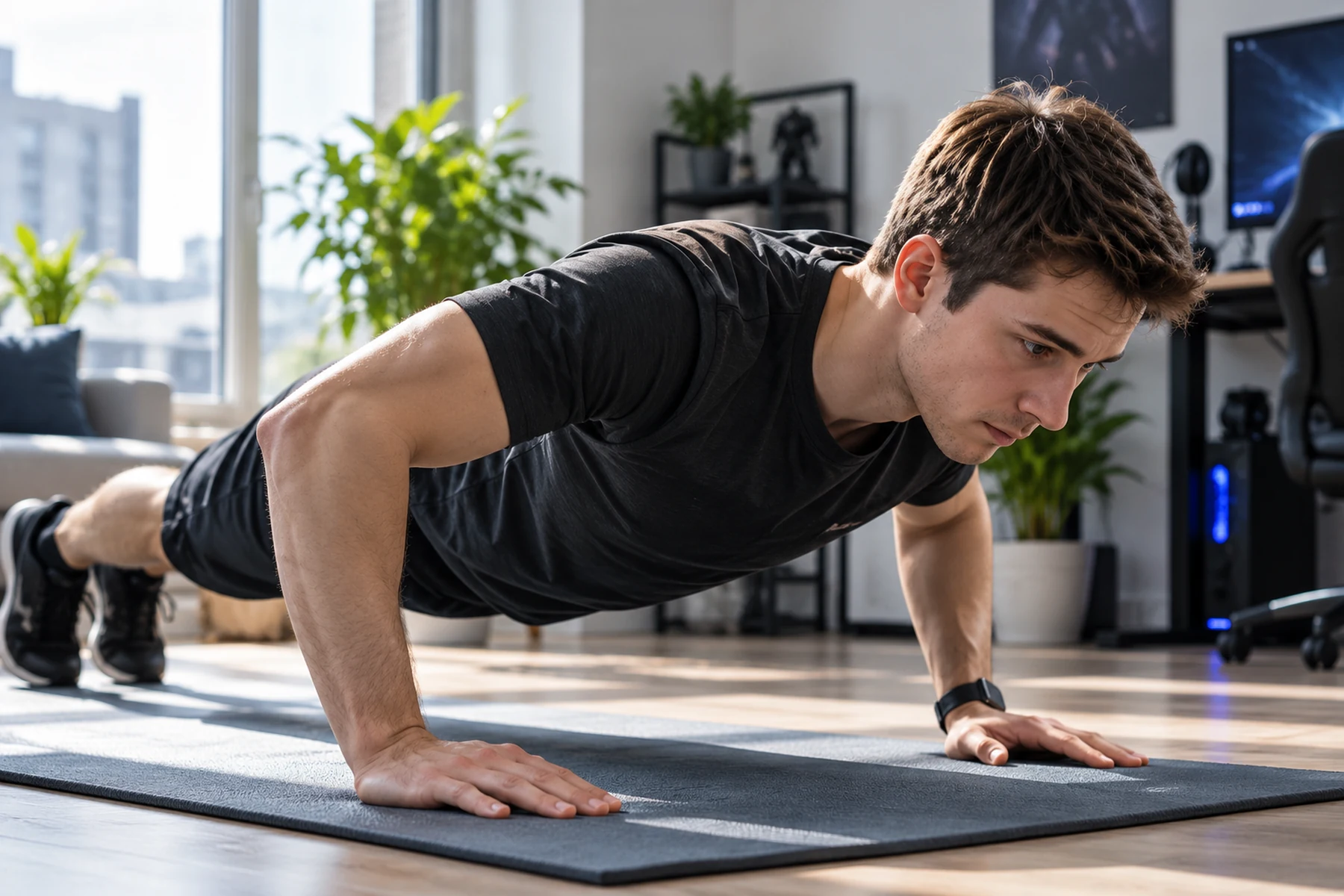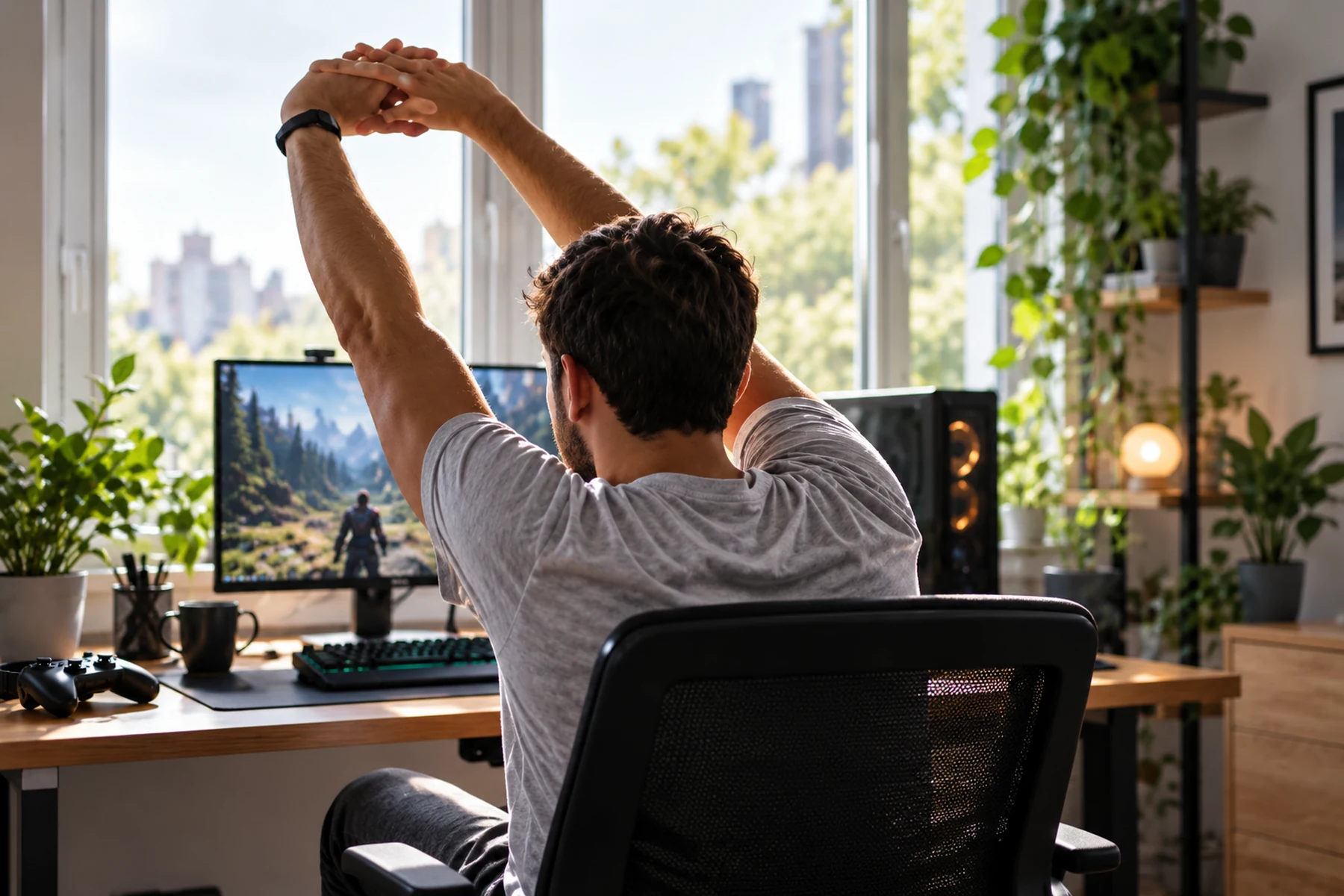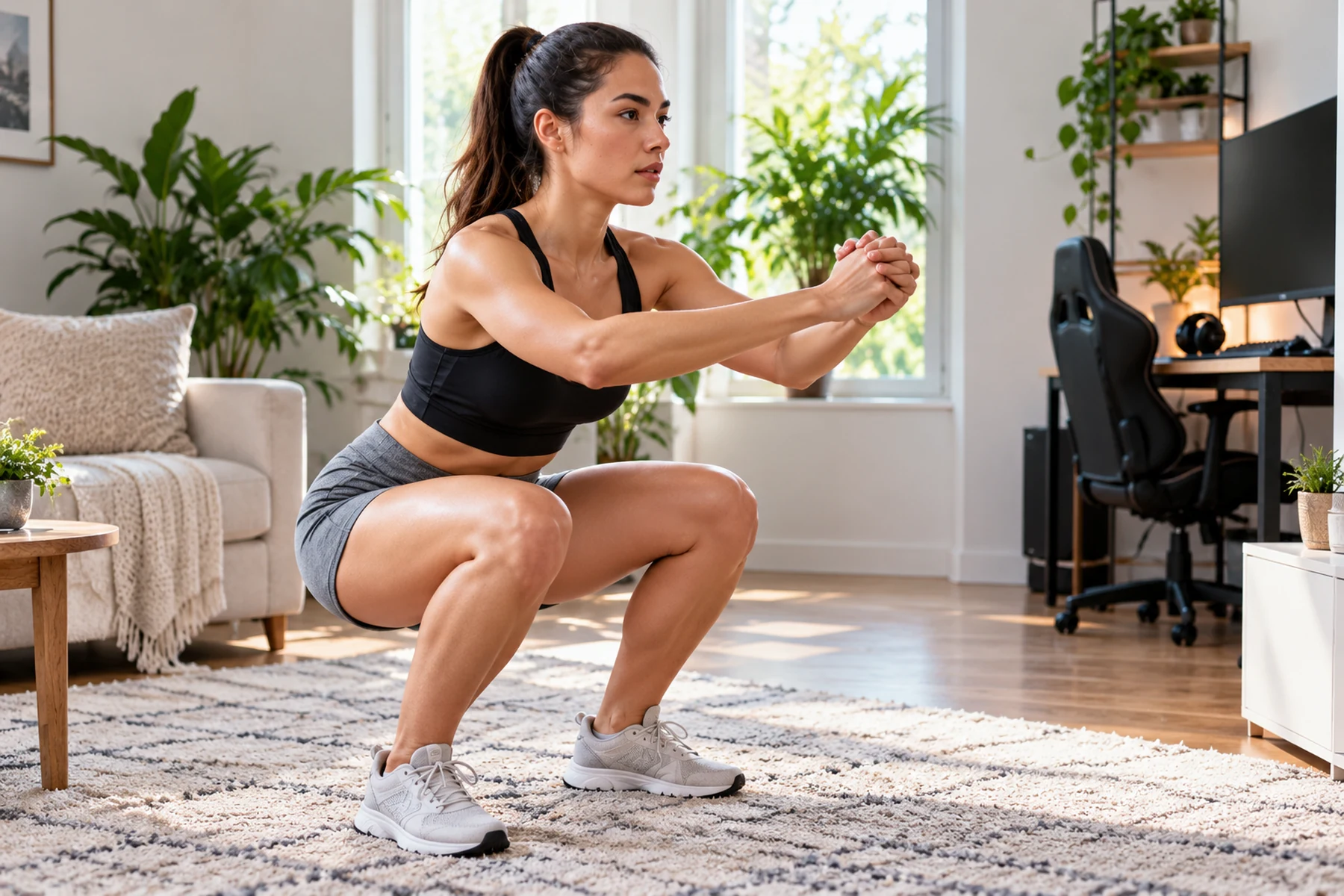
Match the Movement to the Moment
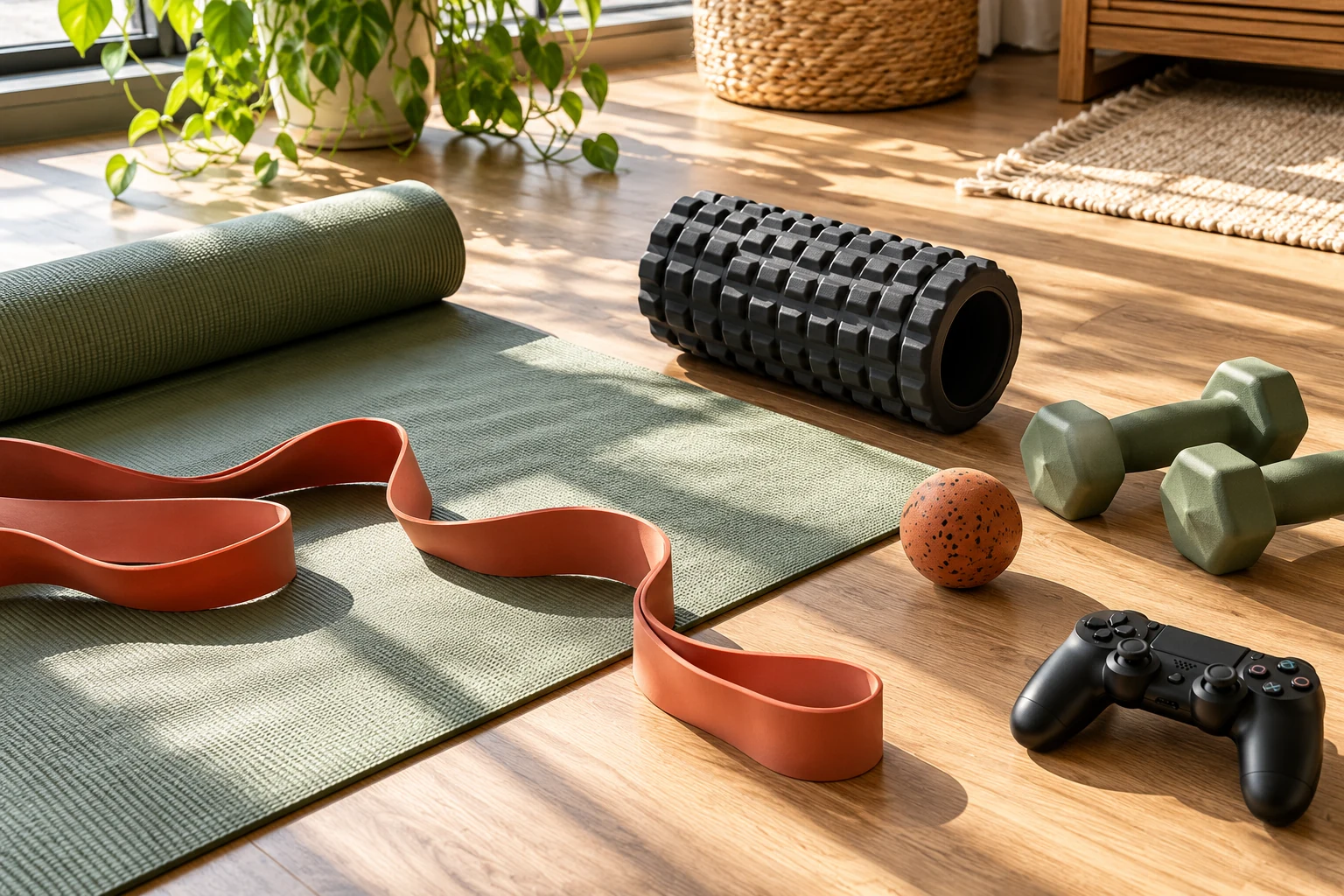
The useful movement depends on when you do it. Before a match, warm the hands and raise circulation without creating fatigue. During play, use short breaks to stand and change position. After a long session, gentle mobility can unload the areas held still.
Keep demanding strength and aerobic training in the weekly plan, away from the immediate pre-match window. A short activation and a hard workout have different jobs and should not share the same slot.
Four Jobs Movement Can Do for a Gamer
Movement programming dictates that the mechanical stimulus matches the immediate performance goal. Randomly selecting exercises introduces physiological chaos right when peak performance is required.
Pre-Match Neural Activation
Before competition begins, elevate core body temperature by 0.5 to 1.0 degree Celsius. Increase nervous system conduction velocity. Dynamic movement primes reaction speed. Sensory vigilance spikes when circulation increases slightly above the resting baseline. Cold hands feature sluggish nerve transmission. Blood flow must reach the distal extremities through dynamic physical action.
Intra-Session Micro-Break Interruption
Extended seated immobility forces blood to pool in the lower extremities. Cerebral blood velocity drops. Cognitive processing latency increases. Active movement restores systemic venous return. Standing up clears mechanical pressure on lumbar discs between games.
Post-Session Structural Decompression
Hours of seated play lock the body in a compromised geometry. Hip flexors shorten, pulling the pelvis out of alignment. Anterior deltoids roll forward. Post-session mobility directly reverses this compromised geometry. Restore resting muscle length. Decompress intervertebral discs. This protocol prevents the temporary gaming posture from cementing into permanent anatomical structure.
Baseline Aerobic and Resistance Conditioning
A strong aerobic base lowers resting heart rate and dampens adrenaline spikes that ruin fine motor control. Cardiovascular fitness ensures faster recovery. Resistance training strengthens postural stabilizers.
| Movement Category | Primary Physiological Function | Target Duration | Exertion Level | Optimal Session Timing |
|---|---|---|---|---|
| Pre-Match Activation | Neural priming, blood flow | 5–8 minutes | Low to moderate (RPE 3–4/10) | 10–15 min before match start |
| Intra-Session Break | Venous return, disc unloading | 2–4 minutes | Very low (RPE 2/10) | Between maps or queue times |
| Post-Session Decompression | Tissue relaxation, elongation | 8–12 minutes | Low (RPE 2–3/10) | Immediately following play |
| Weekly Conditioning | Cardiorespiratory fitness | 30–45 minutes | Moderate to high (RPE 6–8/10) | Dedicated non-match hours |
Before Play: Warm Up Without Creating Fatigue
Stimulate the sympathetic nervous system gently. Do not produce muscular trembling. Elevated breathing rates interfere with fine mouse control. Precision requires physical stability under pressure.

| Warm-Up Phase | Selected Dynamic Drill | Target Time | Target Biomechanical Mechanism |
|---|---|---|---|
| Phase 1: Elevation | Brisk marching or arm swings | 2 minutes | Increases cardiac output and muscle perfusion |
| Phase 2: Scapular | Band pull-aparts or wall slides | 2 minutes | Activates rhomboids and lower trapezius |
| Phase 3: Lower Body | Bodyweight squats or hip hinges | 2 minutes | Opens hip capsule, stimulates major muscle groups |
| Phase 4: Settling | Diaphragmatic breathing at desk | 2 minutes | Stabilizes heart rate for precision targeting |
High-intensity interval training degrades mechanical skill. Heavy powerlifting causes transient physiological tremor. Exhaustive grip training directly before matches is completely detrimental. Micro-aim relies on muscle units firing in synchrony. Muscular fatigue reduces this, causing less consistent aim.
During Play: Interrupt Stillness
Active walking breaks completely outperform passive rest during prolonged gaming blocks. Clinical trials mapping competitive esports players confirm this exact mechanism. Continuous two-hour gaming sessions without movement degrade executive attention. Working memory decays at a measurable rate. Target acquisition times lengthen dramatically.
A walking break halts this decline. Ambulation forces the lower limb muscle pump to drive oxygenated blood to the heart. Cerebral tissues receive fresh oxygen. Mental processing speeds stabilize instantly.
After Play: Unload What Stayed Shortened
Targeted structural unloading counteracts sustained postural forward flexion. Execute these precise movements when the competitive block concludes.
Anterior Hip Flexor Opening
Extended sitting places the psoas in short positions. Anterior pelvic tilt develops upon standing. Execute half-kneeling hip flexor stretches. Keep the torso vertical. Hold for 45 seconds per side. Resting length is restored.
Thoracic Extension and Pectoral Stretch
Shoulders round forward under the demands of keyboard positioning. The pectoralis minor shortens dramatically. Neurovascular bundles in the thoracic outlet compress against the collarbone. Doorway pectoral stretches pull the chest open. Gentle thoracic foam rolling forces the upper spine into extension. Kyphotic rounding is physically reversed.
Forearm Flexor and Extensor Unloading
High actions-per-minute load the forearm compartment intensely. Continuous clicking tightens flexor tendons. Extend the arm fully. Pull the fingers back into extension for 20 seconds. Never bounce the joint. Do not force range of motion. Tendons require sustained tension to relax.
Build Strength and Aerobic Work Around Gaming
Long-term physical durability demands systemic structural loading. Clinical activity guidelines apply directly to digital athletes.
| Exercise Category | Target Weekly Volume | Primary Structural Exercise | Esports Durability Function |
|---|---|---|---|
| Aerobic Exercise | 150 min moderate intensity | Brisk walking, cycling, rowing | Enhances autonomic stress resilience |
| Horizontal Pulling | 2–3 sessions per week | Seated cable rows, dumbbell rows | Reverses forward shoulder protraction |
| Posterior Chain | 2 sessions per week | Romanian deadlifts, glute bridges | Stabilizes pelvis during upright sitting |
| Core Anti-Rotation | 2–3 sessions per week | Pallof press, side planks | Prevents unilateral rotational slouching |
The baseline remains 150 to 300 minutes of moderate aerobic activity. Combine this with twice-weekly resistance training. Systemic conditioning creates a useful buffer against the physical toll of static sitting. A stronger posterior chain handles the demands of upright posture without delegating the load to passive ligaments. Muscle tissue must absorb the strain, not the skeletal framework.
A Routine That Is Realistic to Keep
Integration of physical movement requires protocol adherence. Random application yields random results. Adhere strictly to the established biological requirements.
Start With the Problem You Are Solving
Determine the current physiological deficit immediately. Apply the correct mechanical tool to the correct physiological state.
Keep the Warm-Up Short
Stop moving before central fatigue sets in. Warm the muscles. Do not sweat heavily. Keep respiration strictly controlled. Prevent any hand tremors from exertion.
Use Natural Pauses in Play
Matchmaking queues serve as mandatory movement blocks. Stand up immediately. Drop the hands to your sides. Shake the forearms vigorously to disperse static tension.
Walk Between Matches
Abandon the chair completely between series. Walk for two to five minutes. The lower body muscle pump must activate mechanically to clear metabolic waste.
Unload the Spine After Play
Five minutes is mandatory at the conclusion of the daily match block. Open the anterior hips. Extend the thoracic spine. Decompress the vertebral discs that absorbed hours of static load.
Put Two Strength Sessions on the Calendar
Allocate hours away from the computer. Pull heavy loads toward the body. Strengthen the glutes. Stabilize the core.
Sharp Pain Is a Stop Signal
Sharp joint catching is a mechanical failure. Radiating tingling indicates nerve compression. Acute localized inflammation requires strict rest. Cease movement immediately. Pushing through structural pain causes severe tendonopathy.
When to Stop
Exercise serves conditioning protocols. It fails entirely as acute injury resolution. Musculoskeletal damage requires direct medical intervention. Stretching through sharp joint pain exacerbates structural micro-tears. Hot tender tendon swellings indicate acute inflammation that needs offloading. Active peripheral nerve numbness points to impingement syndromes in the wrist or thoracic outlet.
Joint instability demands immediate cessation. Sudden weakness suggests severe nerve compromise. Consult a sports medicine physician. Discontinue conditioning sessions the moment dizziness presents. Chest tightness overrides all performance goals. Irregular heart palpitations require prompt medical evaluation.