Tournament Nutrition Starts Before Match Day
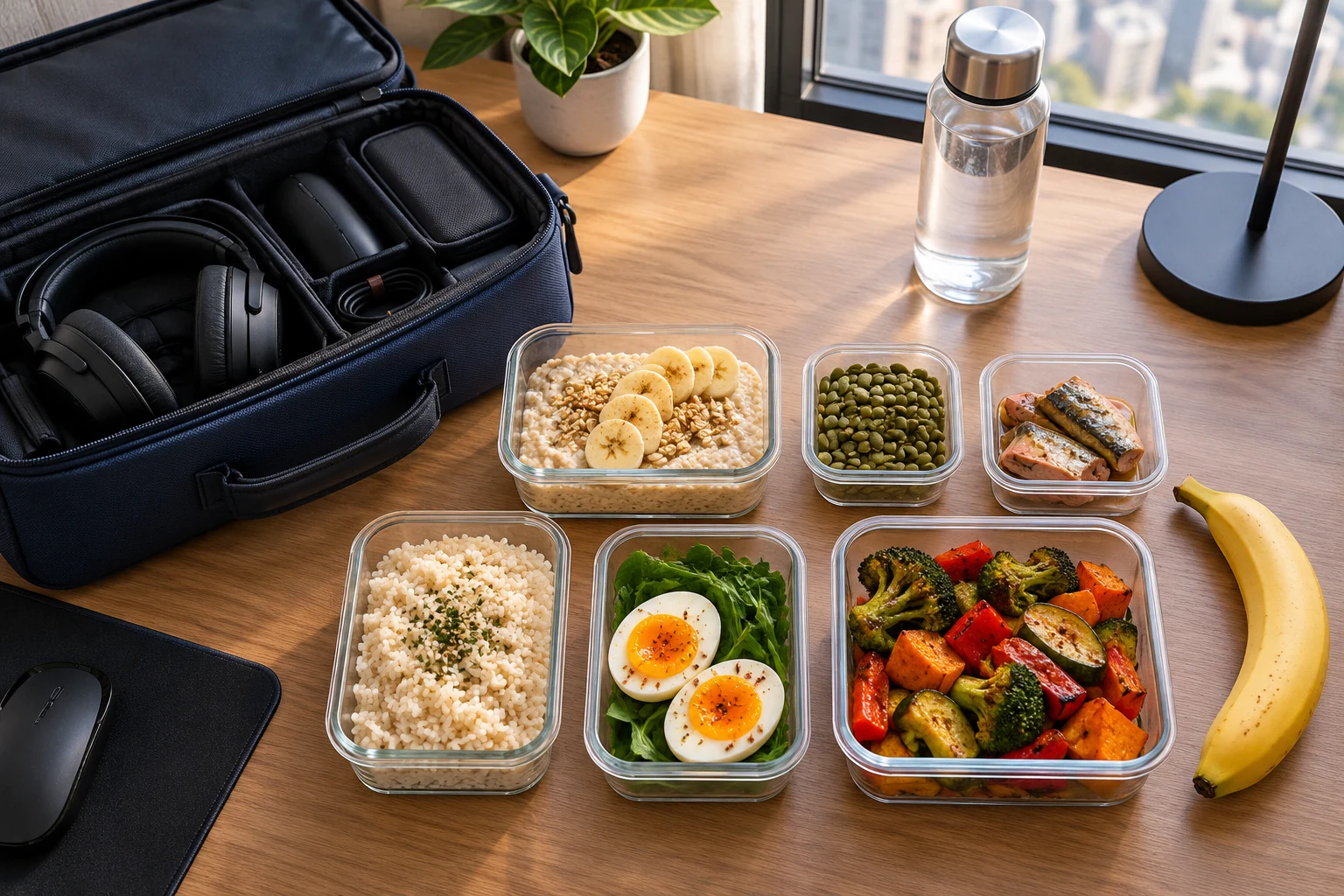
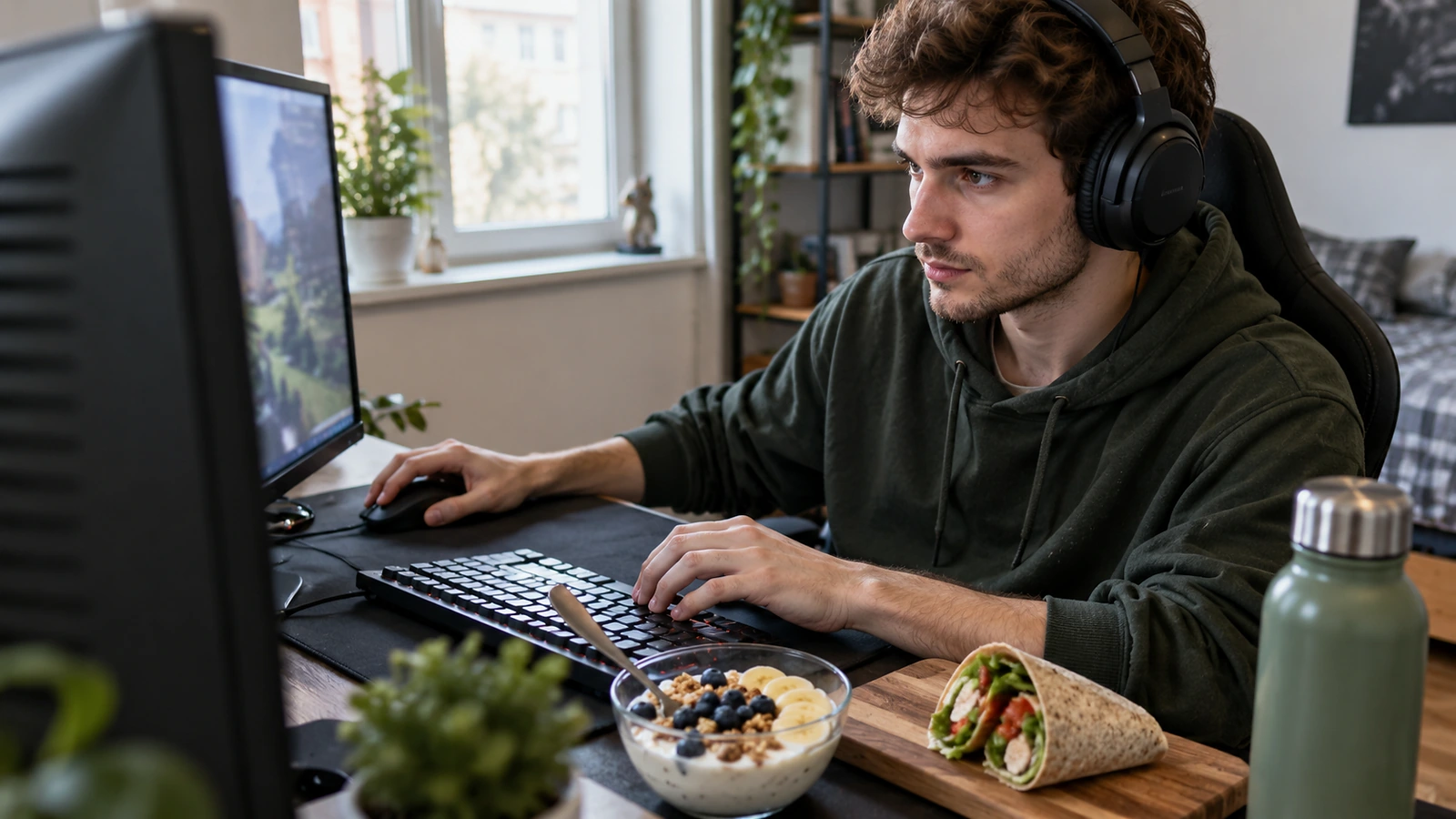
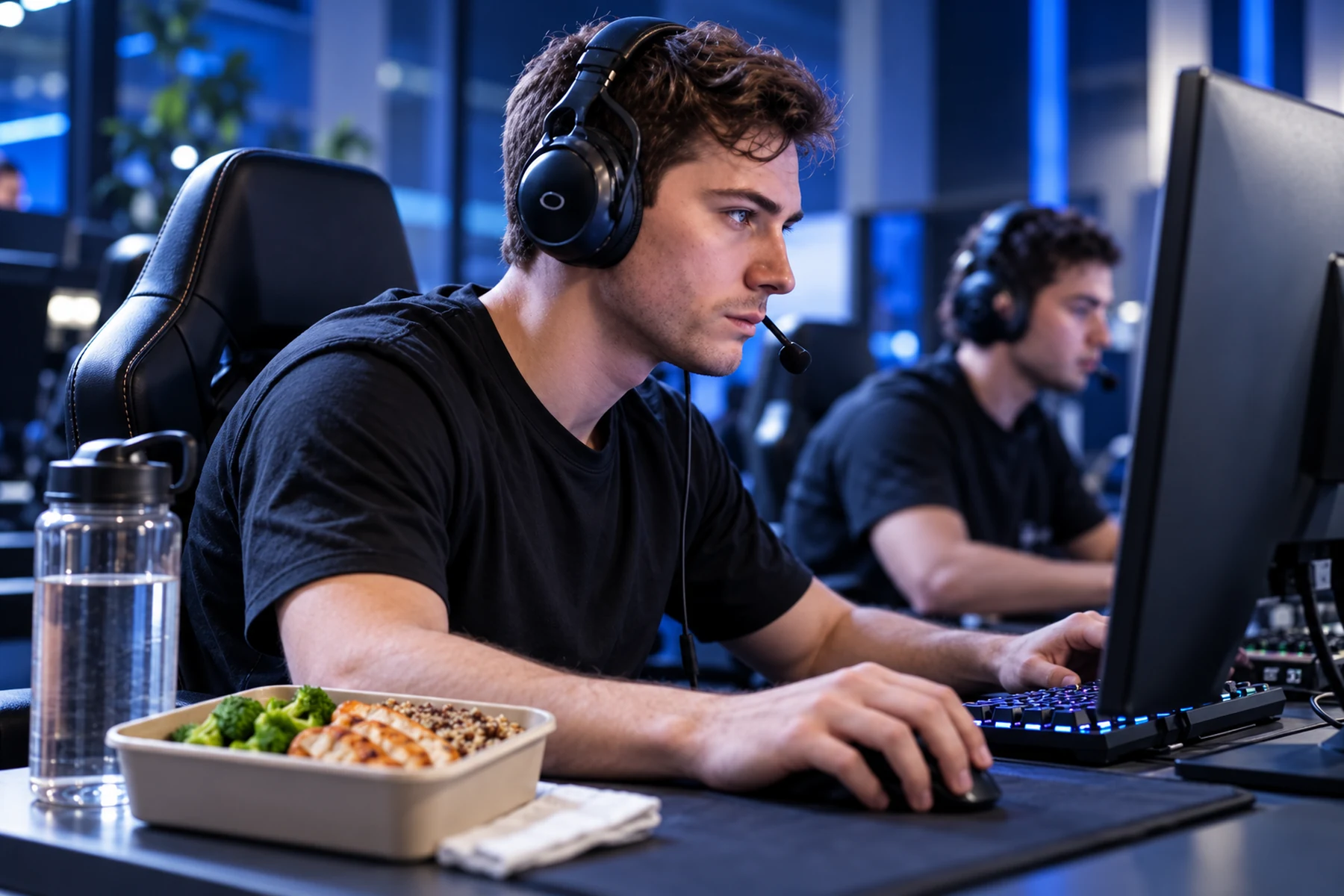
Match day is a poor time to test a new diet. Build the plan around familiar meals, the tournament schedule and what the player can tolerate under stress. A lighter, easily digested meal before stage play may be more comfortable than a large solid meal, but the broader nutrition work happens over the preceding days and weeks—not through a last-minute “focus” food.
Competition Changes Appetite and Digestion
Professional gaming subjects your body to brutal neuroendocrine demands. High-stakes tournament matches activate the sympathetic nervous system. This induces sustained cortisol secretion and elevated circulating catecholamines. This continuous fight-or-flight state completely rewires gastrointestinal function and cellular metabolism from the ground up.
Under acute sympathetic stimulation, your body shunts blood flow away from the mesenteric circulation toward skeletal muscles and vital organs. Gastric motility slows to a crawl. Hydrochloric acid production drops. Intestinal transit gets severely disrupted. Eating a heavy solid meal during this window traps food in the stomach. The result is severe bloating, gastroesophageal reflux, and nausea that can shatter your stage concentration. The physiological cost of processing complex proteins during a high-stress series outweighs any theoretical nutritional benefit.
Brain Energy Kinetics During High Cognitive Load
Your body remains seated but your cerebral cortex operates at maximum metabolic capacity during competitive matches. Tracking visual targets, maintaining spatial awareness, and making rapid tactical calls require sustained ATP turnover in cortical neurons. Astrocytes metabolize circulating blood glucose into lactate to fuel this heavy synaptic transmission. The brain relies on an uninterrupted supply of fuel to maintain millisecond reaction times.
When systemic blood glucose drops from erratic meal timing or reactive hypoglycemia from sugary snacks, the brain loses its primary fuel. This energy deficit manifests as micro-lapses in vigilance. Working memory capacity shrinks immediately. Flick-aim adjustments suffer severe delays during clutch rounds. You cannot perform at peak cognitive output on a highly fluctuating blood sugar curve. Your primary objective must be flattening the glycemic response to whatever you ingest prior to stepping on stage.
The Gut Brain Axis and Competition Stress
The enteric nervous system communicates bidirectionally with the central nervous system via the vagus nerve. Chronic tournament stress degrades the intestinal mucosal barrier. It alters gut microbiota composition and spikes systemic inflammatory cytokines. This neuro-immune signaling directly modulates anxiety. It affects mental resilience and dictates your emotional tilt threshold during a high-pressure series. A compromised gut microbiome actively sabotages your ability to maintain composure under competitive fire.
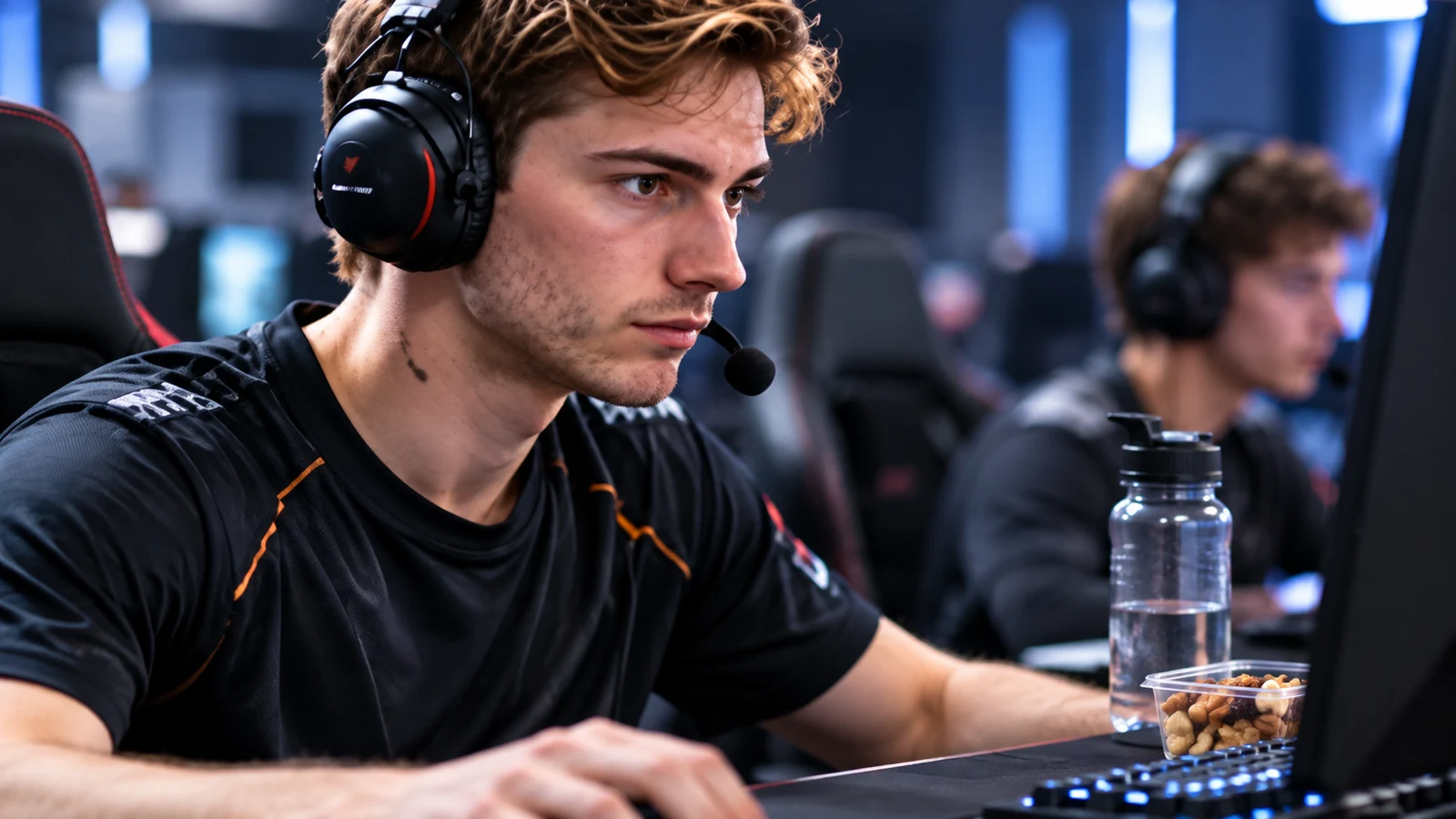
Fuel the Day by Schedule, Not Nerves
Managing food intake during unpredictable tournament schedules requires matching digestive velocity to your specific match times. You have to map out a clear timeline based on stage requirements.
| Timing Window | Primary Physiological Goal | Recommended Nutrition | Foods to Avoid |
|---|---|---|---|
| T-Minus 180 Minutes | Glycogen saturation and steady amino acid release | Solid whole meal: lean poultry, sweet potatoes, greens | Fried foods, heavy dairy, excess fibrous beans |
| T-Minus 60 Minutes | Blood glucose stabilization without gastric fullness | Semi-solid snack: banana with whey isolate or oat porridge | High-fat pastries, candy bars, carbonated sodas |
| Between Maps 10 Min | Rapid neurotransmitter and hydration maintenance | Electrolyte fluid with 15 grams low-osmolality cyclic dextrin | Solid heavy snacks requiring mastication and digestion |
| Post-Match Recovery | Parasympathetic restoration and sleep preparation | High-tryptophan dinner: salmon, rice, tart cherry juice | High-caffeine energy drinks, alcohol, processed takeout |
Micronutrients Matter Over Time, Not as a Last-Minute Hack
High actions per minute and complex tactical coordination depend on absolute availability of specific neurochemical precursors. Without these substrates, cognitive transmission falters.
L Tyrosine for Dopamine and Norepinephrine Synthesis
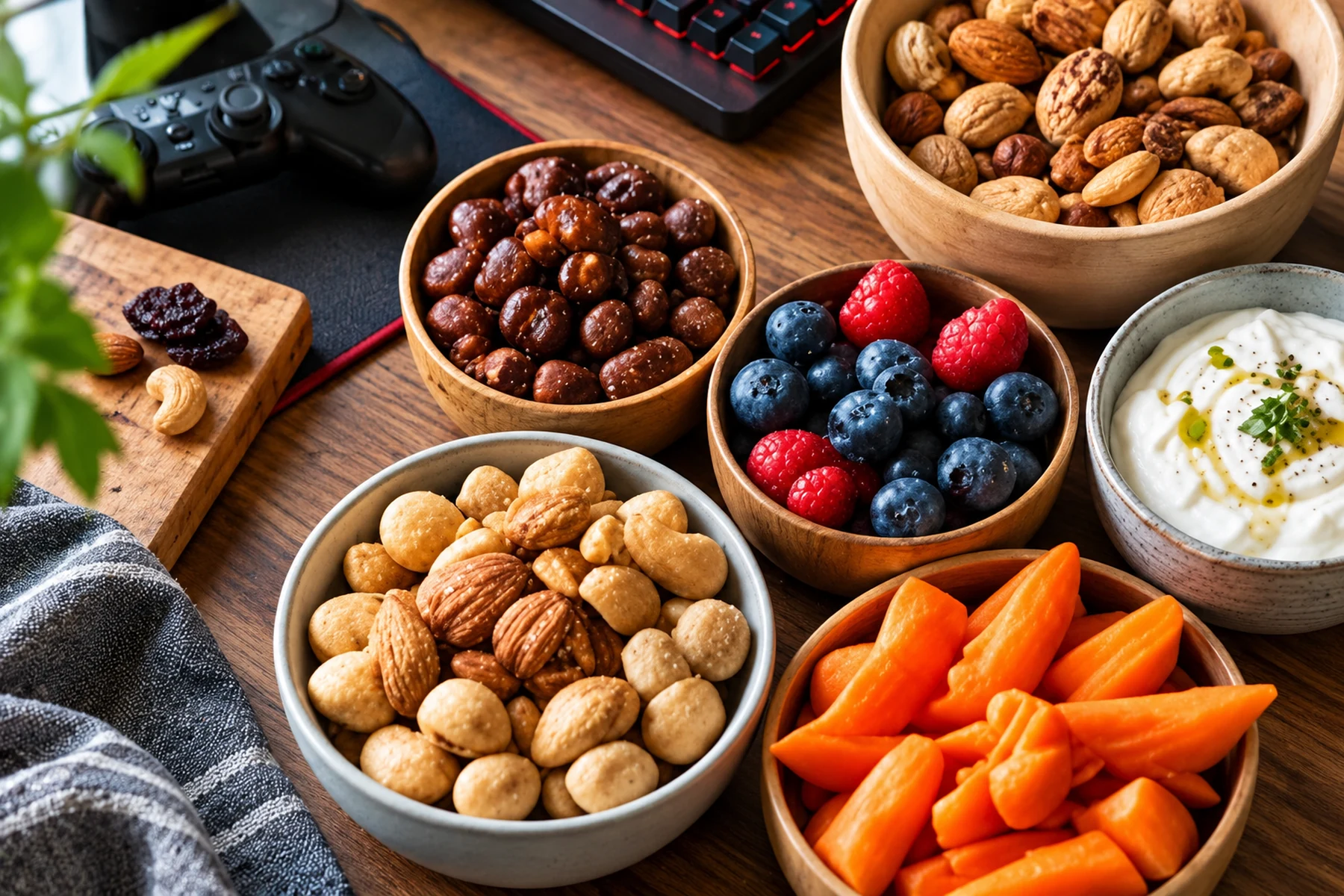
Prolonged competition can strain central catecholamine reserves. Dopamine regulates executive control and goal-directed action. Norepinephrine maintains strict vigilance. The amino acid L-tyrosine crosses the blood-brain barrier serving as the rate-limiting substrate for tyrosine hydroxylase. This enzyme replenishes dopamine and norepinephrine during prolonged cognitive strain. You can source it directly from turkey, eggs, cottage cheese, or pumpkin seeds.
Choline for Acetylcholine and Synaptic Speed
Acetylcholine drives neuromuscular transmission, fine motor speed, and visual search efficiency. Ingesting highly bioavailable choline sources ensures sufficient substrate for acetylcholine synthesis. Egg yolks, soy lecithin, or citicoline supplements preserve micro-aiming consistency throughout exhausting multi-map series. Your synaptic speed drops immediately if acetylcholine synthesis cannot keep pace with neural firing rates.
Omega 3 Fatty Acids and Neuronal Membrane Fluidity
The cerebral cortex and retinal membranes consist heavily of docosahexaenoic acid. Getting adequate marine omega-3 fatty acids optimizes cell membrane fluidity. This enhances the speed of ion channel conductance and overall synaptic signal transmission. Regular consumption of oily fish like wild salmon reduces neuro-inflammation and supports critical long-term ocular health.
Travel Can Break a Good Plan
International circuits often require rapid travel across multiple time zones. This can disrupt circadian rhythms and alter metabolic health. Travel fatigue completely tanks insulin sensitivity, alters hormone secretion, and degrades reaction times if you fail to manage the transition.
Resetting Peripheral Clocks with Fasting and Feeding
The master circadian clock in the suprachiasmatic nucleus synchronizes primarily via ocular light exposure. Peripheral metabolic clocks in the liver and gut synchronize via food intake. When flying across time zones, run a strict in-flight fast consuming only water and basic electrolytes. Digestion during air travel is heavily impaired by cabin pressure and inactivity.
Upon arrival at the destination, immediately consume a substantial high-protein meal aligned perfectly with local morning or midday meal schedules. This timed caloric influx forces peripheral metabolic tissues to immediately reset to the destination timezone. You accelerate physiological adjustment and strip away days of potential competition-day jet lag.
Protecting Gut Integrity on the Road
Hotel dining and airport catering severely lack adequate fiber and micronutrients, promoting immediate gastrointestinal dysbiosis. Traveling esports athletes must prioritize stable whole foods. Consume fermented products like kefir or unflavored yogurt to bolster gut flora. Avoid unfamiliar spicy or ultra-processed street foods that run the high risk of inducing acute gastrointestinal illness right before official stage matches.
The First Meal After the Final Map
Tournament days usually conclude late in the evening under high residual sympathetic arousal. Transitioning into deep, restorative sleep requires deliberate, planned nutritional down-regulation.
The post-match recovery meal should mix complex carbohydrates with high-tryptophan protein sources like salmon, chicken, or eggs. Carbohydrates spike a modest insulin release that drives competing large neutral amino acids straight into muscle tissue. This clears the pathway for tryptophan to cross into the brain and convert into serotonin and melatonin.
Pairing this meal with tart cherry juice provides a natural source of phytochemical melatonin and anti-inflammatory polyphenols. This blunts systemic muscle soreness from prolonged seated tension and accelerates sleep onset latency. Full neural restoration for the next competition day depends entirely on nailing this exact recovery window.
What Teams Can Standardize
A familiar nutritional structure reduces match-day decisions under heavy tournament pressure. Treat these points as defaults that can be adjusted to the player and schedule.
- Consume your primary solid whole-food meal three hours prior to scheduled stage appearance
- Switch to easily digestible semi-solid carbohydrates one hour before match warm-ups commence
- Use hypotonic electrolyte drinks with low-osmolality carbohydrates during brief map changeovers
- Prioritize whole-food choline and tyrosine sources to sustain neurotransmitter synthesis under stress
- Fast during international flights and align your first meal strictly with destination local time
- Conclude competition days with a high-tryptophan dinner to facilitate rapid parasympathetic recovery and sleep