Eat for the Length of the Session
For a short session, eat a normal balanced meal beforehand and leave food away from the desk. For a session that runs several hours, plan one deliberate break and a lighter meal or snack. Eating 90 to 120 minutes before play gives a larger meal time to settle; continuous grazing makes both quantity and hunger harder to judge.
A Large Meal Can Compete With Concentration
The human brain burns roughly 20 percent of total basal glucose despite making up just 2 percent of your physical body weight. Delivering fuel to the central nervous system while playing requires precise physiological timing. Food timing dictates whether nutrients support neurotransmitter synthesis or derail mental clarity entirely.
Eating triggers the parasympathetic nervous system to widen splanchnic blood vessels. This extensive vascular network covers the stomach, intestines, liver, and pancreas. Breaking down large food volumes increases blood flow to the digestive system and away from some other tissues. Blood flow velocity in peripheral limbs and systemic circulation drops measurably. You feel this vascular diversion mechanically as the heavy lethargy commonly labeled a food coma. Competing under these physiological conditions can lead to suboptimal reaction times.
Glycemic Volatility and Neurotransmitter Depletion
Meals packed with simple sugars and refined flours can create sharp rises in blood glucose levels. The pancreas releases larger amounts of insulin to shove that circulating glucose into hepatic and skeletal muscle storage. Sedentary gamers experience reactive hypoglycemia within an hour and a half of that initial sugar spike.
Systemic glucose drops well below baseline functioning levels. The prefrontal cortex starves for readily available fuel. Players show sudden deficits in working memory and significantly slower target acquisition. Low-glycemic carbohydrates release glucose at a predictable, steady rate. This preserves consistent focus across multiple hours of competitive play.
Amino Acid Transport and Serotonergic Drowsiness
What you eat dictates exactly how your brain synthesizes central neurotransmitters during a match. High-carbohydrate meals lacking sufficient protein can prompt a larger insulin release. This pushes branched-chain amino acids out of the blood and directly into muscle tissue. Tryptophan remains completely unopposed at the blood-brain barrier.
With the competition gone, brain uptake of tryptophan skyrockets abruptly. The central nervous system converts it immediately into serotonin. That serotonin subsequently becomes melatonin. You experience sudden drowsiness, drop your environmental vigilance, and lose your competitive drive right in the middle of a crucial round.

Which Foods Fit Which Break
Grouping foods by digestive transit time and their specific glycemic impact gives a practical, actionable framework for tournament meal planning.
| Food Category | Digestive Speed | Cognitive Impact | Ideal Timing Window | Primary In Game Risk |
|---|---|---|---|---|
| High Fat Fast Food | Very slow (4 to 6 hours) | Severe lethargy and splanchnic blood pooling | Avoid prior to or during competitive gaming | Heavy gut distress and severe reaction time degradation |
| High Sugar Snacks and Candy | Very fast (20 to 40 minutes) | Immediate spike followed by reactive hypoglycemic crash | Counter indicated during matches | Aim jitteriness followed by profound brain fog |
| Balanced Complex Whole Meals | Moderate (2 to 3 hours) | Steady glucose delivery and optimal neurotransmitter stability | 90 to 120 minutes prior to session start | Consuming portions that are too large causing fullness |
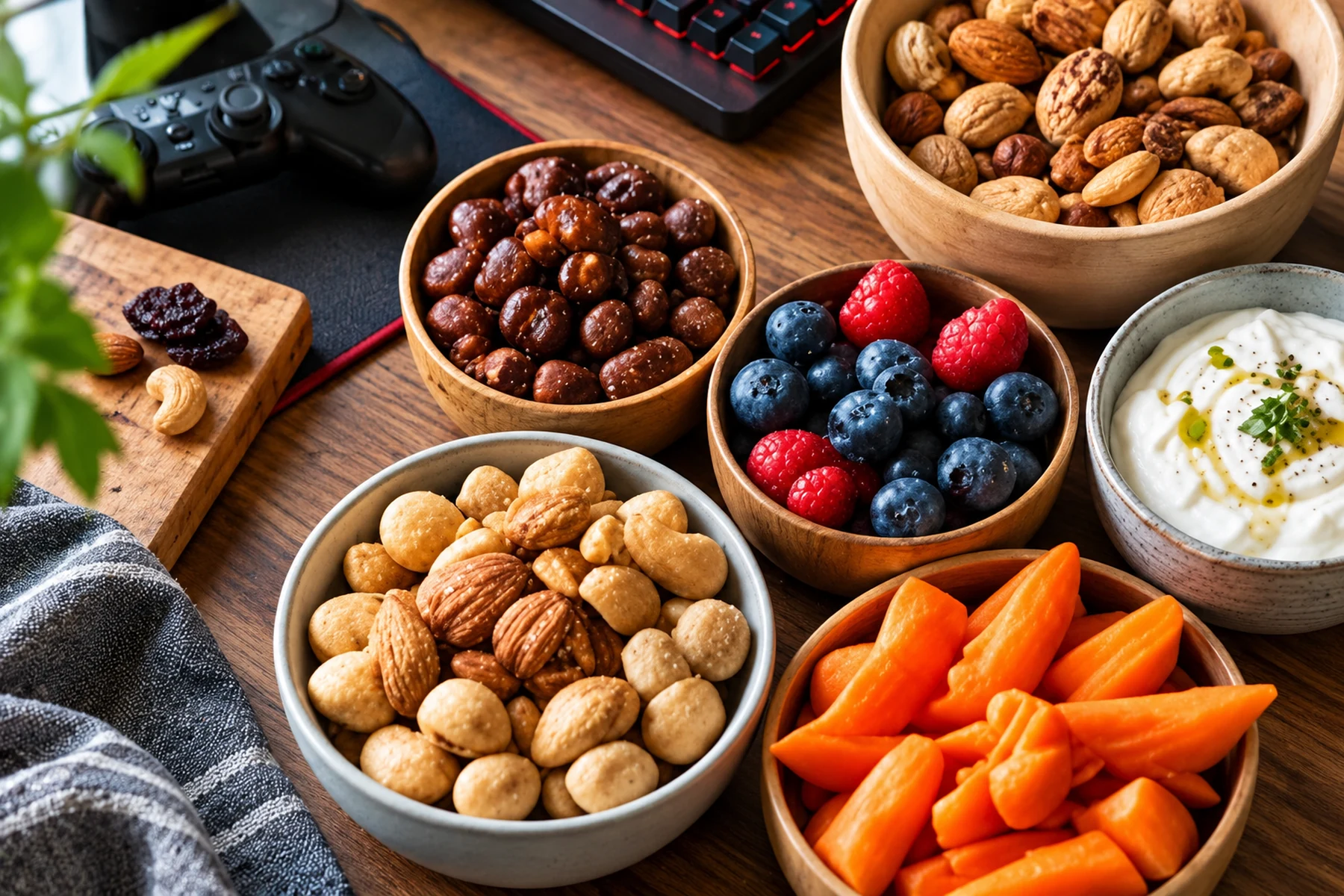
| Targeted Low GI Micro Snacks | Fast to Moderate (45 to 60 minutes) | Sustained alertness without digestive strain | During tournament intermissions or match breaks | Mindless passive overconsumption if kept on mousepad |
Build the Plate Without a Formula
Building meals for long-term cognitive endurance means balancing the primary macronutrients precisely to sustain cellular energy output without overwhelming limited digestive capacity.
Low Glycemic Carbohydrates for Sustained Energy
Carbohydrates must bring high dietary fiber content to the plate. Rolled oats, quinoa, brown rice, sweet potatoes, and heavy berries fit the necessary biochemical profile. These complex physical structures force gradual enzymatic breakdown in the small intestine. Glucose trickles into the bloodstream continuously over several hours rather than flooding it all at once. Steady, measured breakdown prevents hormonal swings entirely.
Esports players relying on sugary energy drinks experience immediate performance drop-offs. Replacing simple carbs with complex starches ensures your neurons have fuel during the final hour of a long tournament bracket.
Lean Protein for Dopamine and Norepinephrine Synthesis
Proteins rich in L-tyrosine provide direct biochemical precursors for synthesizing dopamine and norepinephrine. Skinless poultry, eggs, firm tofu, and Greek yogurt are highly bioavailable sources. Dopamine controls your internal reward processing, fine motor planning, and sustained visual focus. Norepinephrine drives raw environmental vigilance and threat detection.
You need exactly 20 to 30 grams of lean protein in your pre-session meals. This specific amino acid load supports neurotransmitter replenishment under intense competitive pressure.
Moderate Dietary Fats for Satiety and Hormone Production
Moderate amounts of monounsaturated fats and marine omega-3 fatty acids build essential cellular structures. Walnuts, avocados, and extra virgin olive oil work exceptionally well for sedentary players. Fats slow gastric emptying just enough to flatten the resulting glycemic curve. Energy availability stretches out smoothly across a grueling competitive series.
Eating at the Keyboard Changes the Amount
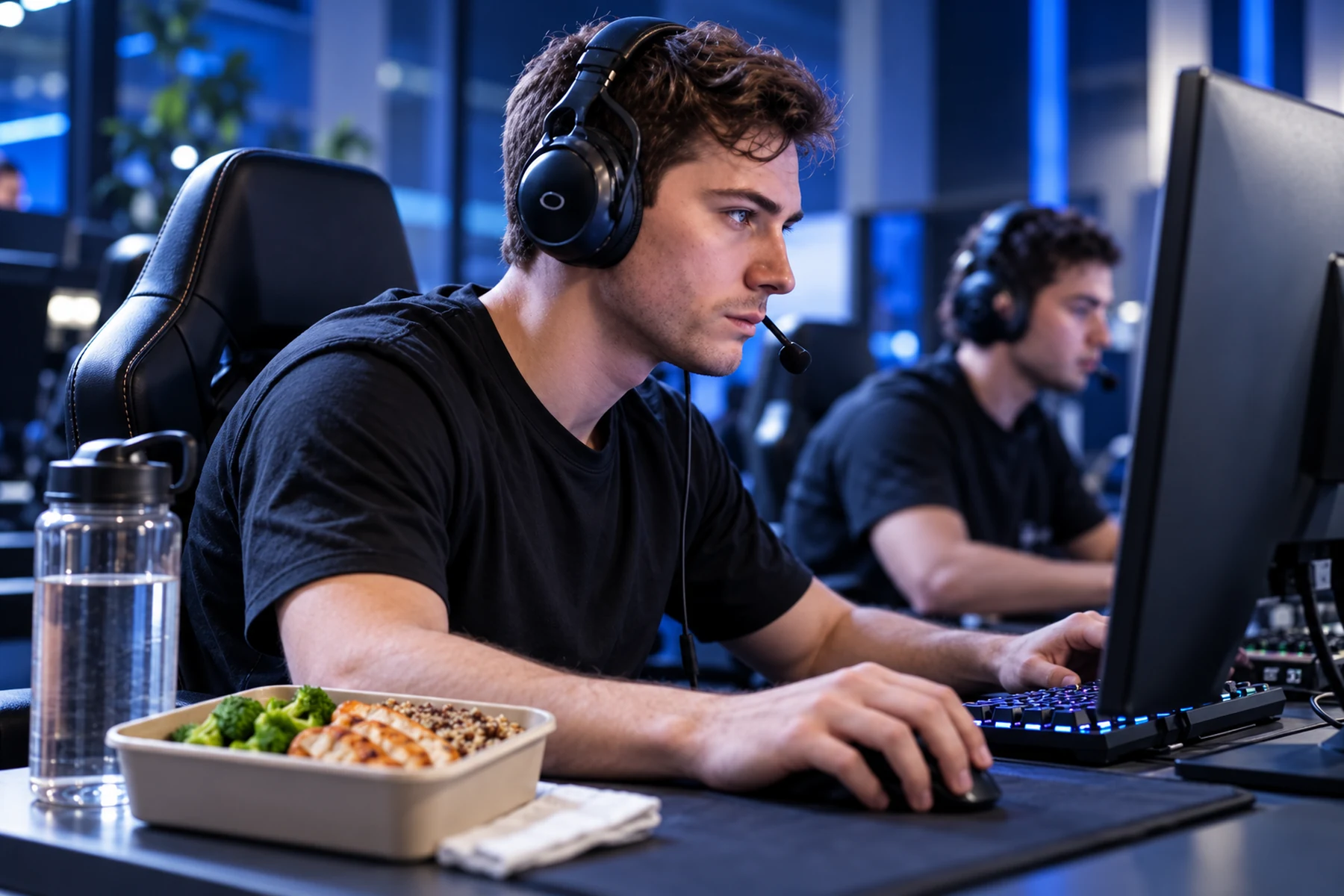
Eating while actively playing games ruins fundamental neuroendocrine satiety pathways. Fixing your visual attention intensely on gameplay fully suppresses the brain baseline awareness of internal vagal gut signals.
Suppression of Cephalic Phase Digestion
Seeing, smelling, and consciously anticipating a meal triggers the vital cephalic phase. Saliva produces automatically. Gastric acid secretes into the stomach lining. Shoving handfuls of food into your mouth while tracking enemy cooldowns bypasses this cephalic activation completely. Digestive enzyme output drops drastically. Painful bloating and trapped gas follow shortly after, distracting you from the screen.
Leptin Delay and Passive Overconsumption
Distracted eating severely delays the perception of key satiety hormones. Peptide YY and leptin signals arrive at the hypothalamus much too late. You often ingest two or three times your actual daily energetic requirement in hyper-palatable processed snacks before consciously realizing you feel full. That excess caloric load can contribute to post-meal fatigue later in the gaming session.
Short and Marathon Sessions Need Different Plans
Matching your precise meal and snack schedules to specific competitive demands keeps metabolic performance peaked at all times.
Short Gaming Sessions Under Three Hours
Sessions under three hours require a balanced, moderate meal exactly 90 minutes before launching the game client. Avoid solid foods completely during active play. Drink only water or unsweetened herbal teas. Your intracellular glycogen stores and circulating blood glucose easily sustain high-tier cognitive function for this duration.
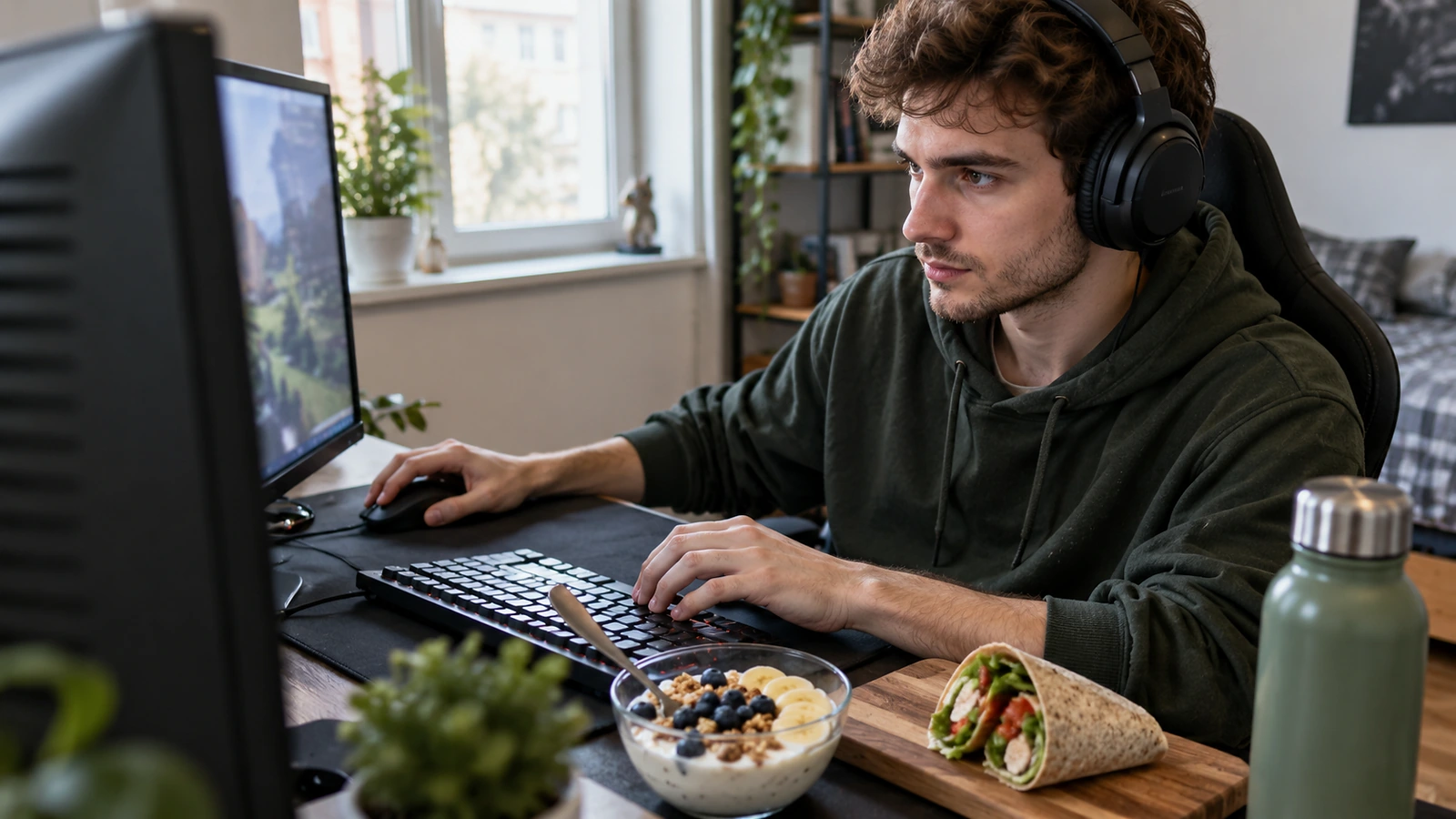
Do not keep snacks on the desk for short sessions. You will eat them out of pure habit or stress rather than metabolic need. Fasting during a two-hour block actually sharpens focus due to mild sympathetic nervous system elevation.
Marathon Gaming Sessions Over Five Hours
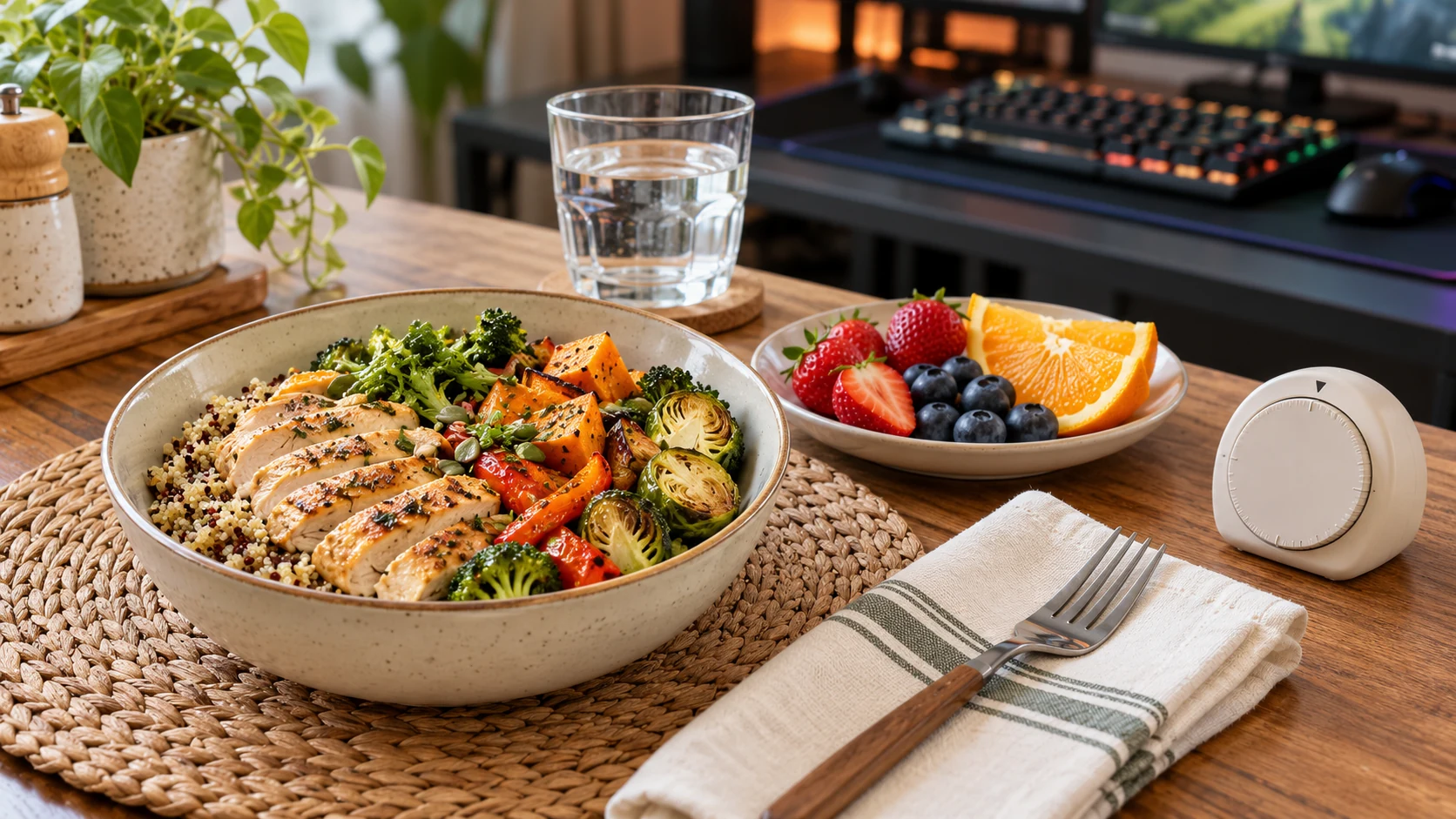
Extended competitive blocks demand strictly scheduled 30-minute meal intermissions. Continuous grazing at the keyboard weakens mental focus. Step completely away from the desk. Eat a moderate plate holding roughly 20 grams of lean protein, 30 grams of low-glycemic complex carbohydrates, and high-water raw vegetables. Walk around your room for five minutes after eating. This light physical movement speeds gastric transit and actively blunts insulin spikes.
Turn the Principles Into One Decision
Organized nutritional planning blocks physical sluggishness from taking root. Competitive baseline performance sharpens noticeably across every single match you play.
- Consume a balanced whole-food meal 90 to 120 minutes before starting competitive matches
- Ensure pre-game meals contain lean protein to supply tyrosine for sustained dopamine synthesis
- Select complex low-glycemic carbohydrates like oats or quinoa to prevent reactive glucose crashes
- Remove all bags of chips candy bowls and hyper-palatable snacks from the immediate gaming desk
- Step away from monitors into a dedicated dining area to consume food with conscious cephalic attention
- Take a five minute walking break after eating to accelerate gastric transit and stabilize blood sugar
- Keep portion sizes moderate to prevent excessive splanchnic blood pooling during digestion
- Replace simple sugars with dietary fiber to support a continuous trickle of glucose to the brain