Decide the Stopping Time Before You Start
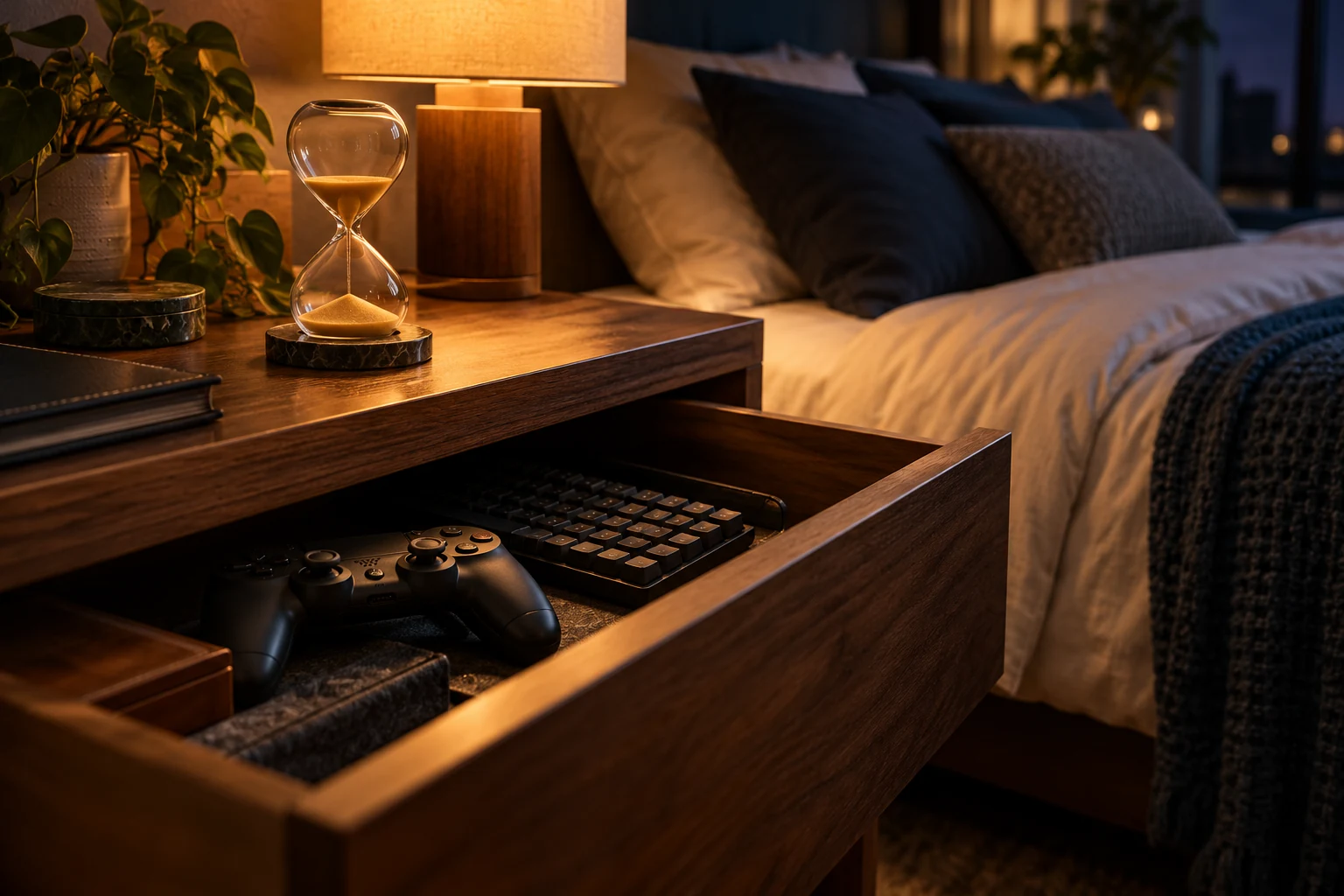
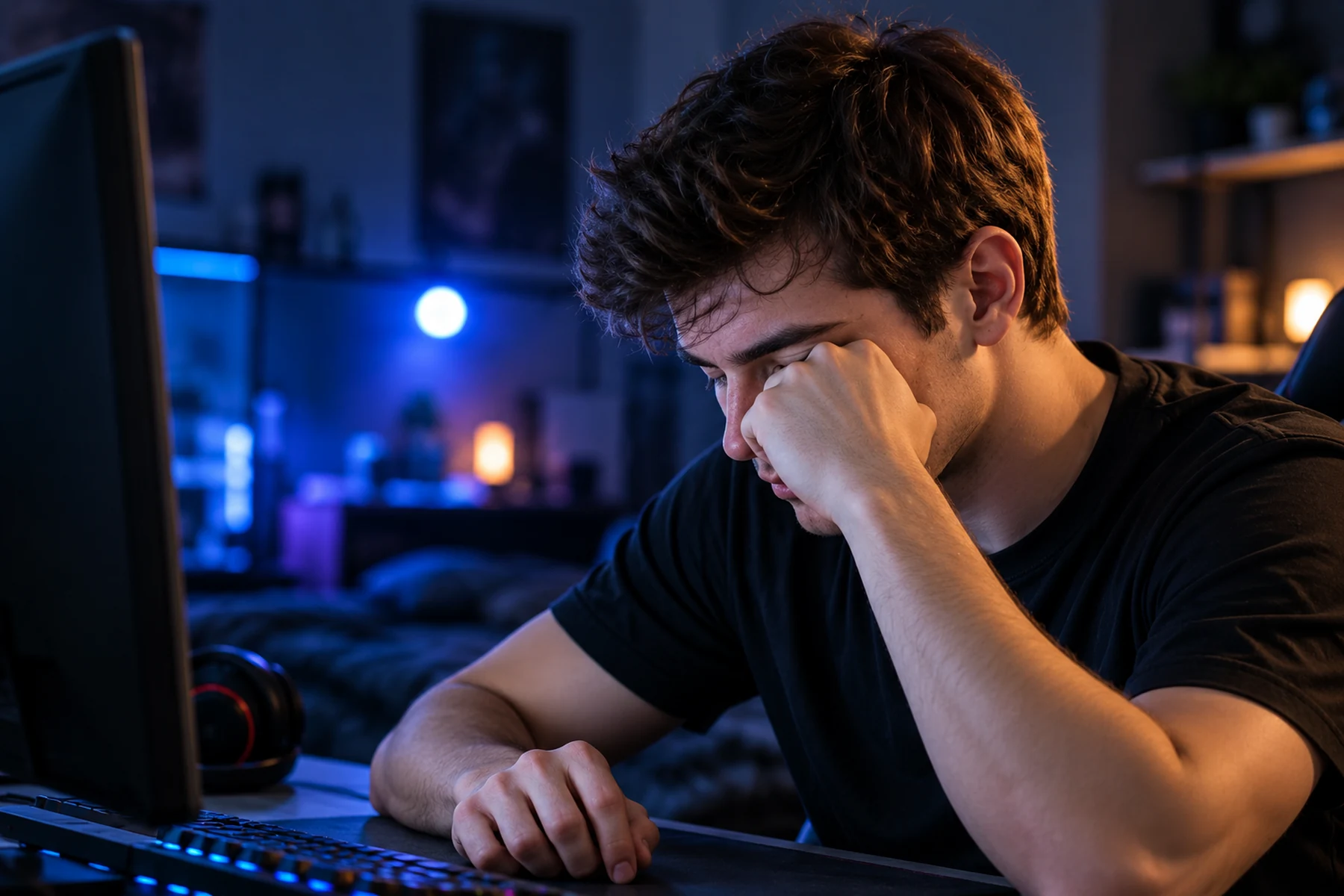
Late gaming affects sleep through two separate routes: light delays the normal night-time signal, while a tense match can leave the body alert after the monitor is off. A warmer screen color addresses only the first problem.
Choose the last queue time before the session starts and leave at least 60 minutes for a quieter transition. Dim, warm room light and a cool bedroom help, but the biggest change is ending competitive play early enough that one more round cannot consume the buffer.
Light and Arousal Are Separate Problems
Dropping monitor brightness and enabling a software color filter provides a false sense of security. Optical interventions alone do not address the arousal created by brain during high-level play. Competitive gaming assaults the sleep-wake cycle through both optical and psychological vectors. Ignoring either pathway can produce fragmented, less restorative sleep.
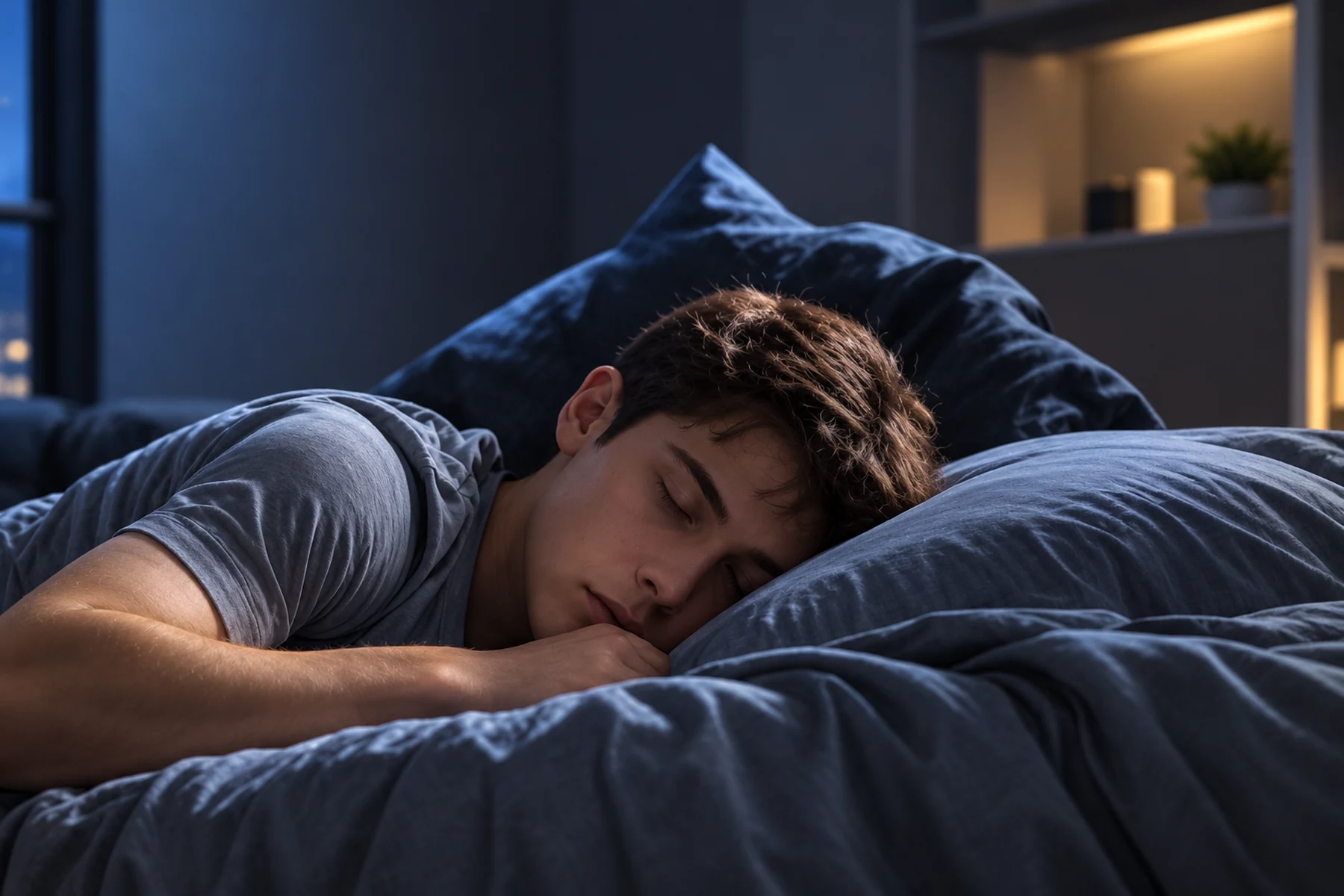
Transitioning into deep sleep requires a highly synchronized sequence of biological events. The autonomic nervous system must abandon the fight-or-flight sympathetic state in favor of rest-and-digest parasympathetic control. Internal core body temperature must fall significantly. Dropping into bed immediately after a tense thirty-minute ranked match actively blocks these physiological checkpoints.
Photic Circadian Suppression via Melanopsin
Modern gaming setups utilize exceptionally bright LED panels designed to push contrast to the limit. These displays blast the retina with short-wavelength blue light in the four hundred sixty to four hundred eighty nanometer range. This spectrum heavily stimulates intrinsically photosensitive retinal ganglion cells, which rely on melanopsin to gauge environmental light levels. The high-intensity emission perfectly mimics midday solar radiation.
Upon stimulation, these cells send an immediate electrical signal straight to the suprachiasmatic nucleus. When the suprachiasmatic nucleus registers the intense blue light, it sends rapid inhibitory signals down to the pineal gland, completely shutting off melatonin synthesis. This photic delay forcefully shifts the entire circadian rhythm backward.
Autonomic Hyperarousal and Sympathetic Persistence
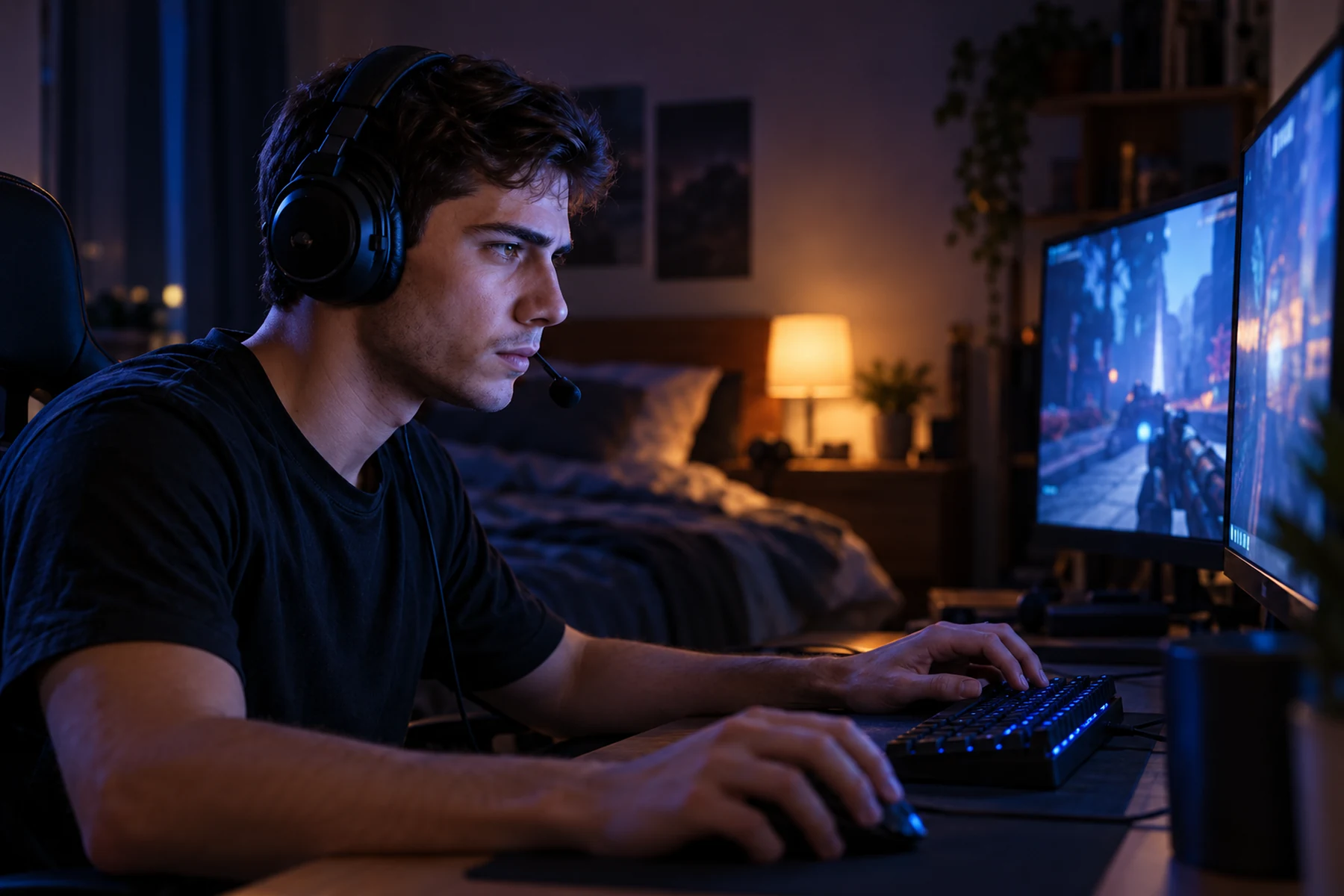
Playing in a pitch-black room with heavy blue-light filtering software will not save your sleep if you actively grind ranked matches. The core gameplay loop of competitive titles relies on sharp rises in adrenaline. The sympathetic-adrenal axis fires immediately during intense scenarios, dumping adrenaline into the bloodstream and spiking nocturnal cortisol levels far above baseline.
This state of arousal delays the physiological deceleration required for sleep. Resting heart rate spikes and remains elevated for hours. Peripheral blood vessels constrict, preventing the heat dissipation necessary for sleep onset. Heart rate variability tanks, indicating a nervous system locked in a stress response.
Some Games Are Harder to Leave Than Others
Different genres of games place wildly different demands on the autonomic nervous system. Recognizing the specific physiological cost of your chosen title is critical for timing your evening sessions.
| Game Classification | Autonomic Arousal Level | Primary Sleep Architecture Disruption | Suggested Pre-Bed Cutoff |
|---|---|---|---|
| Ranked First-Person Shooters | Extreme sympathetic surge and tachycardia | Delayed sleep latency and severe slow-wave suppression | 90 Minutes before bed |
| High-Stakes MOBAs or Battle Royales | High cortisol and dopaminergic stimulation | Frequent micro-awakenings and elevated nocturnal pulse | 90 Minutes before bed |
| Cooperative Story Adventures | Moderate cognitive load, low adrenergic drive | Mild photic circadian delay if unmitigated | 60 Minutes before bed |
| Turn-Based Puzzles or Simulation | Low physiological arousal, low motor stress | Minimal autonomic disruption, minor photic impact | 45 Minutes before bed |
Fragmentation of Rapid Eye Movement and Deep Sleep
Playing demanding games late at night ruins more than just the time it takes to fall asleep. The residual stress hormones can disrupt the sleep cycles that follow.
Suppression of Slow-Wave Delta Sleep
The body carries out important physical restoration during slow-wave sleep. This deep, stage three non-REM sleep dominates the first few hours of the night. High-voltage delta brainwaves sweep across the cortex, and the pituitary gland releases the vast majority of its daily growth hormone output. The brain activates the glymphatic system to flush out neurotoxic waste products.
Residual cortisol from late-night gaming directly blocks the brain from maintaining these deep delta waves. The nervous system remains too agitated to drop into profound rest, pulling the sleeper back into lighter stages of sleep. Truncating slow-wave sleep leaves the muscular system unable to repair micro-tears from extensive mouse usage.
Rapid Eye Movement Fragmentation and Motor Consolidation
Rapid eye movement sleep acts as the primary mechanism for neural plasticity and complex motor skill consolidation. The brain actually wires movement patterns into subconscious memory during REM sleep. Late-night gaming pushes the sleep cycle backward, drastically reducing total REM sleep time. Fragmented sleep architecture interrupts REM cycles mid-process. Without sufficient rapid eye movement sleep, the central nervous system fails to solidify new mechanical skills. Practice hours are wasted because the brain never received the offline processing time required to convert conscious effort into automatic muscle memory.
Build a Landing Strip, Not an Abrupt Stop
Protecting sleep architecture requires a hard mechanical barrier between the intensity of competitive play and the physiological state required for rest. Building a consistent wind-down sequence forces the nervous system to downshift.
T-Minus 90 Minutes The Competitive Hard Stop
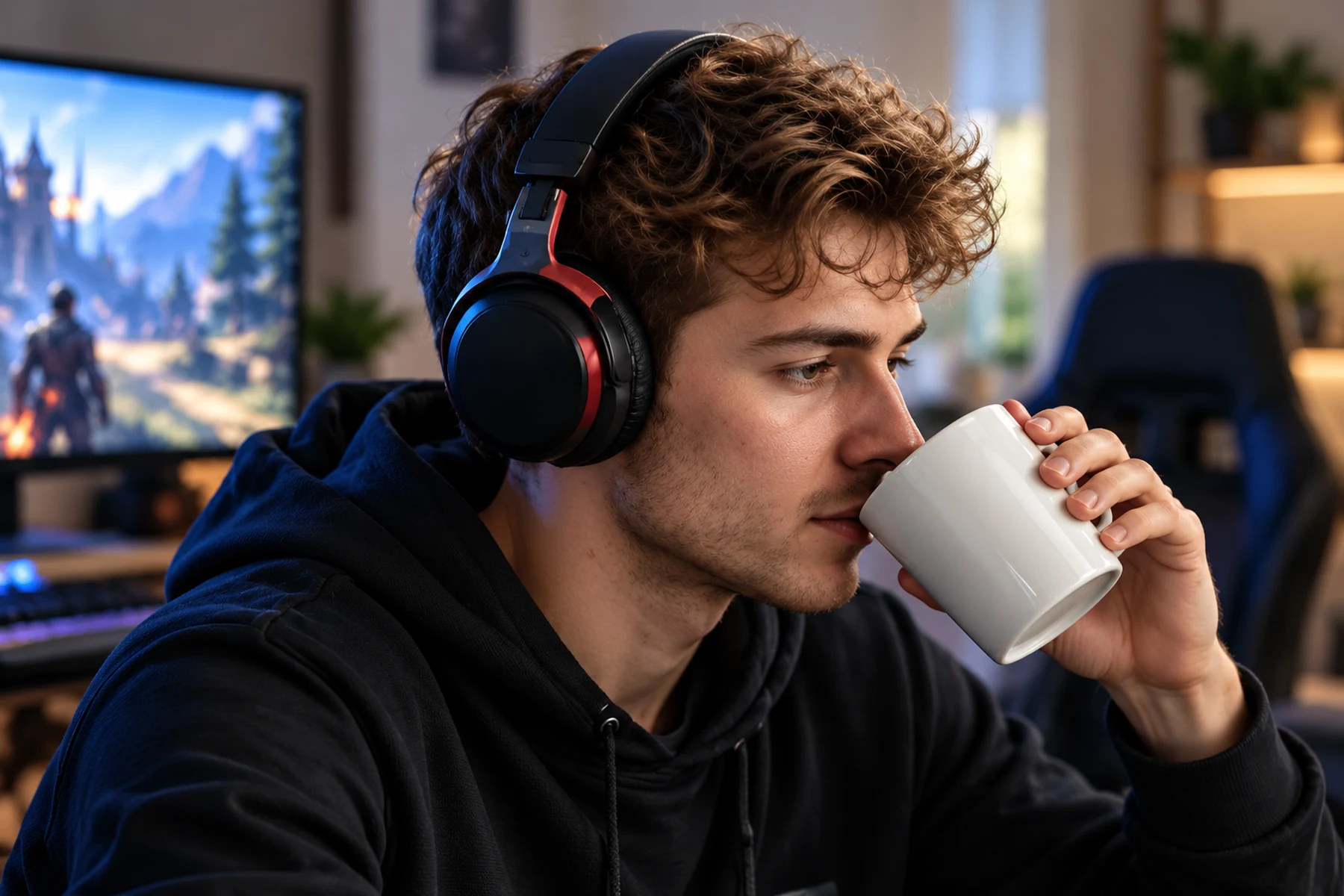
High-stakes matchmaking must terminate exactly ninety minutes before your head hits the pillow. Continuing to subject the nervous system to extreme competitive stress right up until bedtime makes a poor night's sleep more likely. If you intend to remain at the desk during this window, boot up low-stakes, mechanical practice routines without time pressure. Switch to cooperative titles or single-player games that do not feature sudden death mechanics.
T-Minus 60 Minutes The Digital Hardware Blackout
Every piece of light-emitting hardware needs to power down exactly sixty minutes before sleep. Shut down the PC, turn off secondary monitors, and leave the phone on a charger across the room. Lingering in Discord calls completely negates the purpose of the transition protocol. The retina must be shielded from short-wavelength light to allow the suprachiasmatic nucleus to signal the pineal gland.
T-Minus 30 Minutes Thermal and Environmental Priming
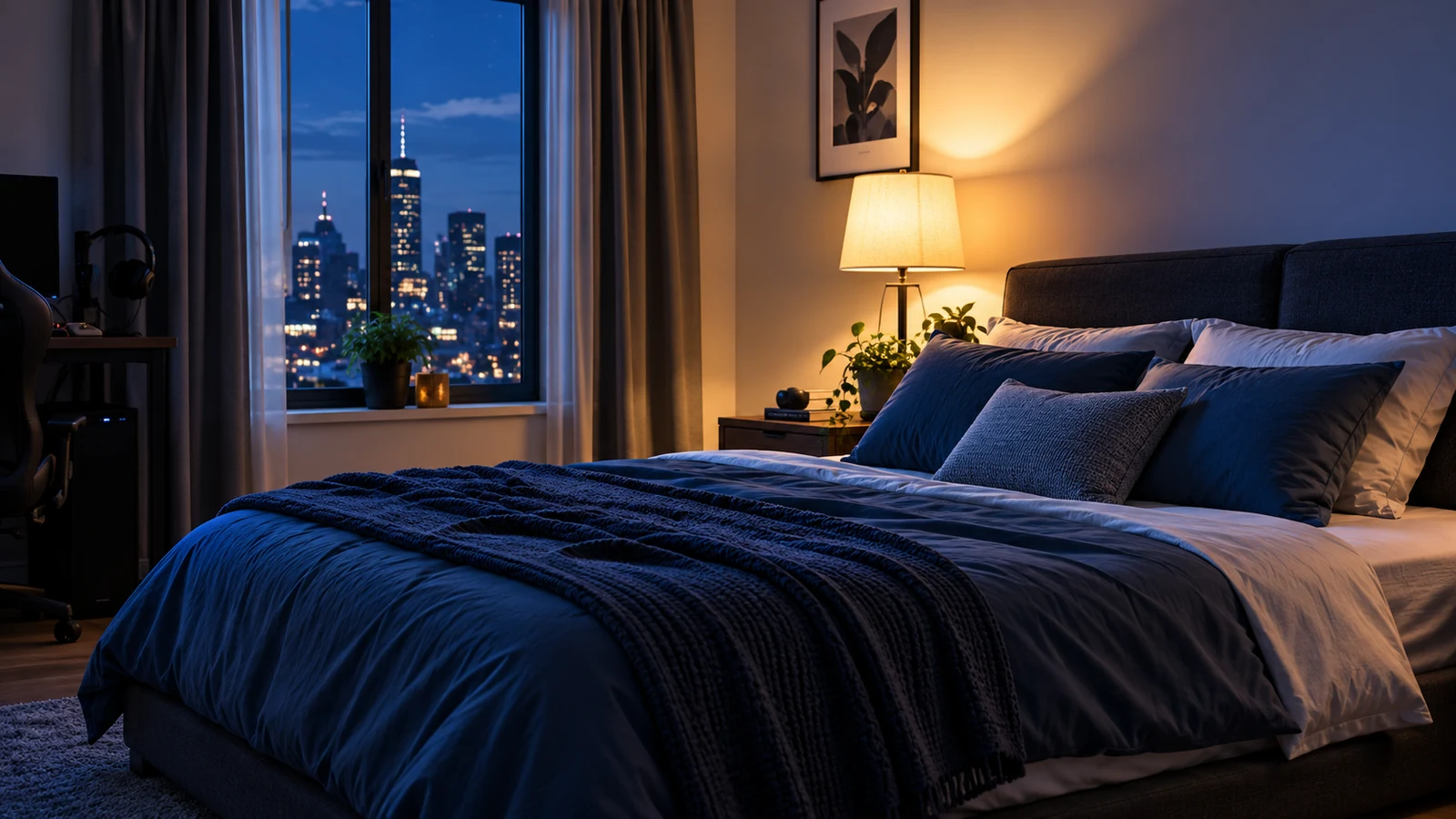
The physical environment must actively pull the body into a sleep-ready state. Drop the ambient temperature of the bedroom down to eighteen or nineteen degrees Celsius. A cool room drastically accelerates this thermal dumping process, especially after hours of sitting in a warm gaming chair. Manipulate the lighting to replicate a natural dusk environment. Turn off overhead fixtures and utilize low-angle, warm amber lamps.
Make the Shutdown Sequence Automatic
Building a predictable physical sequence signals the brain that the competitive day has ended.
- Establish a mandatory ninety-minute cutoff for all ranked matchmaking
- Power down all monitors and step away from the primary gaming desk at the sixty-minute mark
- Configure the bedroom thermostat to maintain a steady eighteen degrees Celsius
- Switch exclusively to low-angle warm amber lighting for the final thirty minutes of the evening
- Plug the smartphone into a charger completely out of reach from the bed
- Spend ten minutes running simple forearm mobility drills to reduce muscular tension